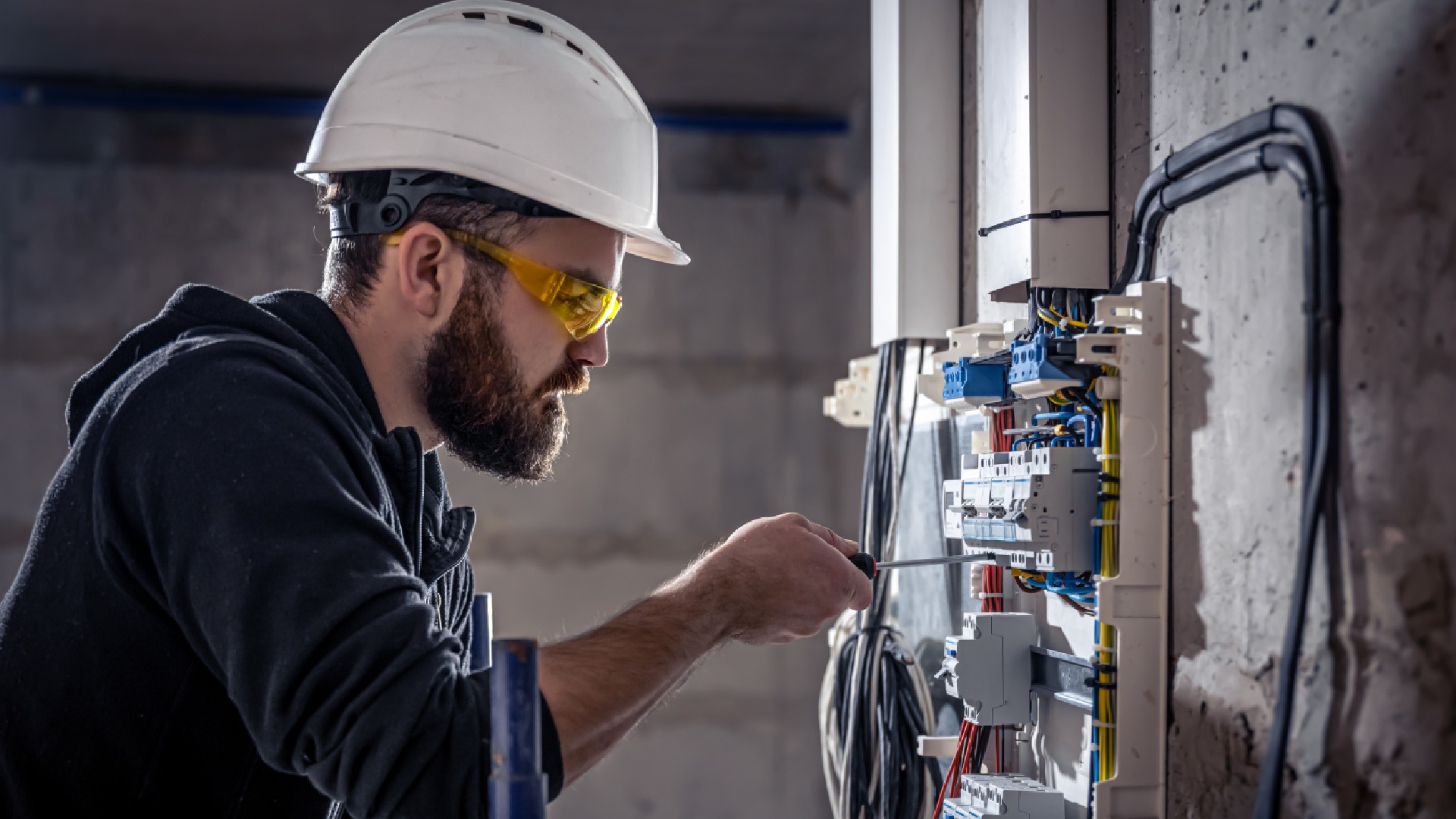
1. Identify Common Electrical Hazards
Understand the biggest risks in your home like overloaded circuits, damaged wiring, and water near electrical outlets. Spotting these early helps prevent fires and accidents.
2. Upgrade Old or Faulty Wiring
If you notice flickering lights, frequent breaker trips, or warm outlets, it’s time to replace outdated wiring. Modern wiring is safer and handles today’s electrical loads better.
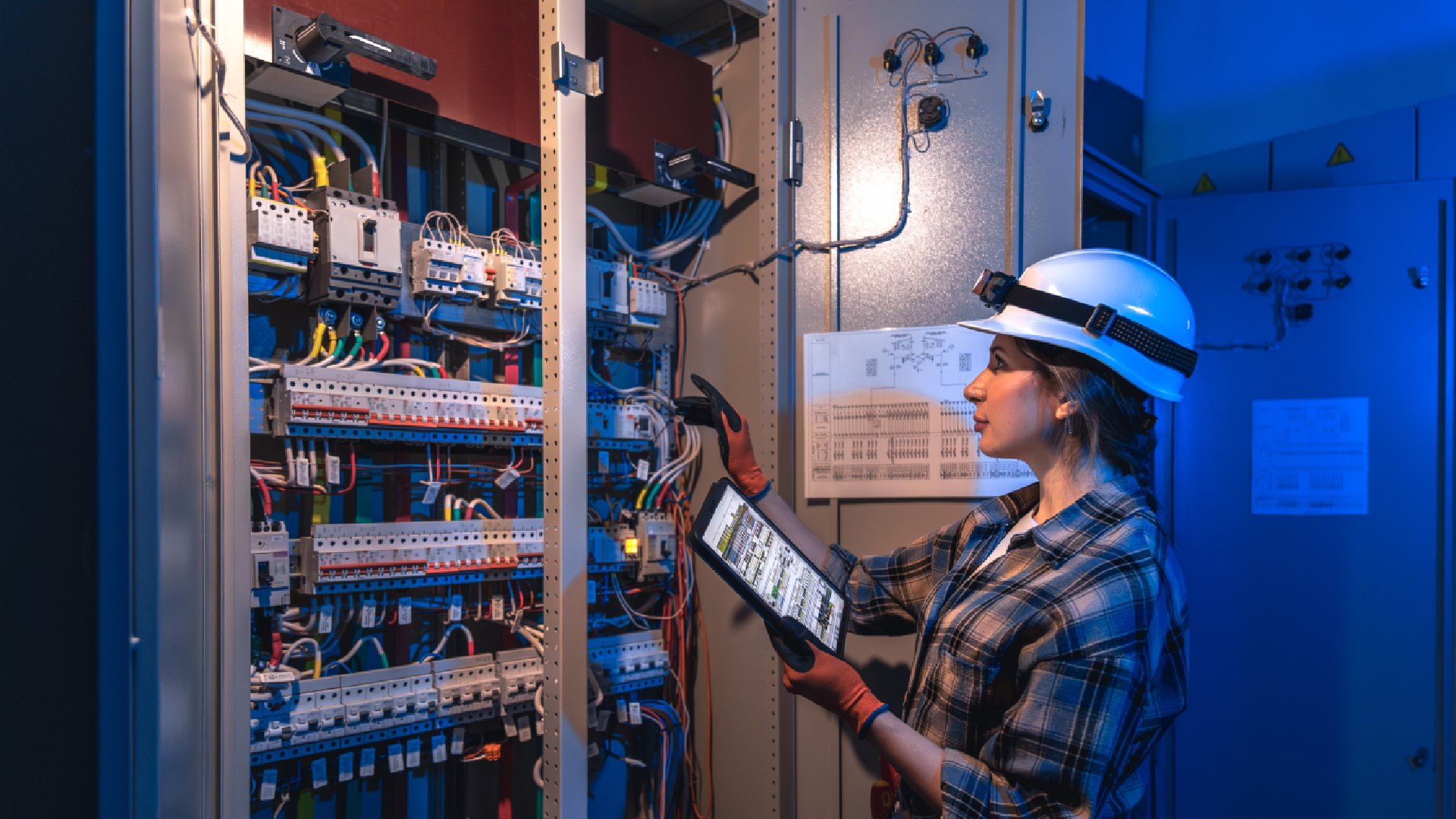
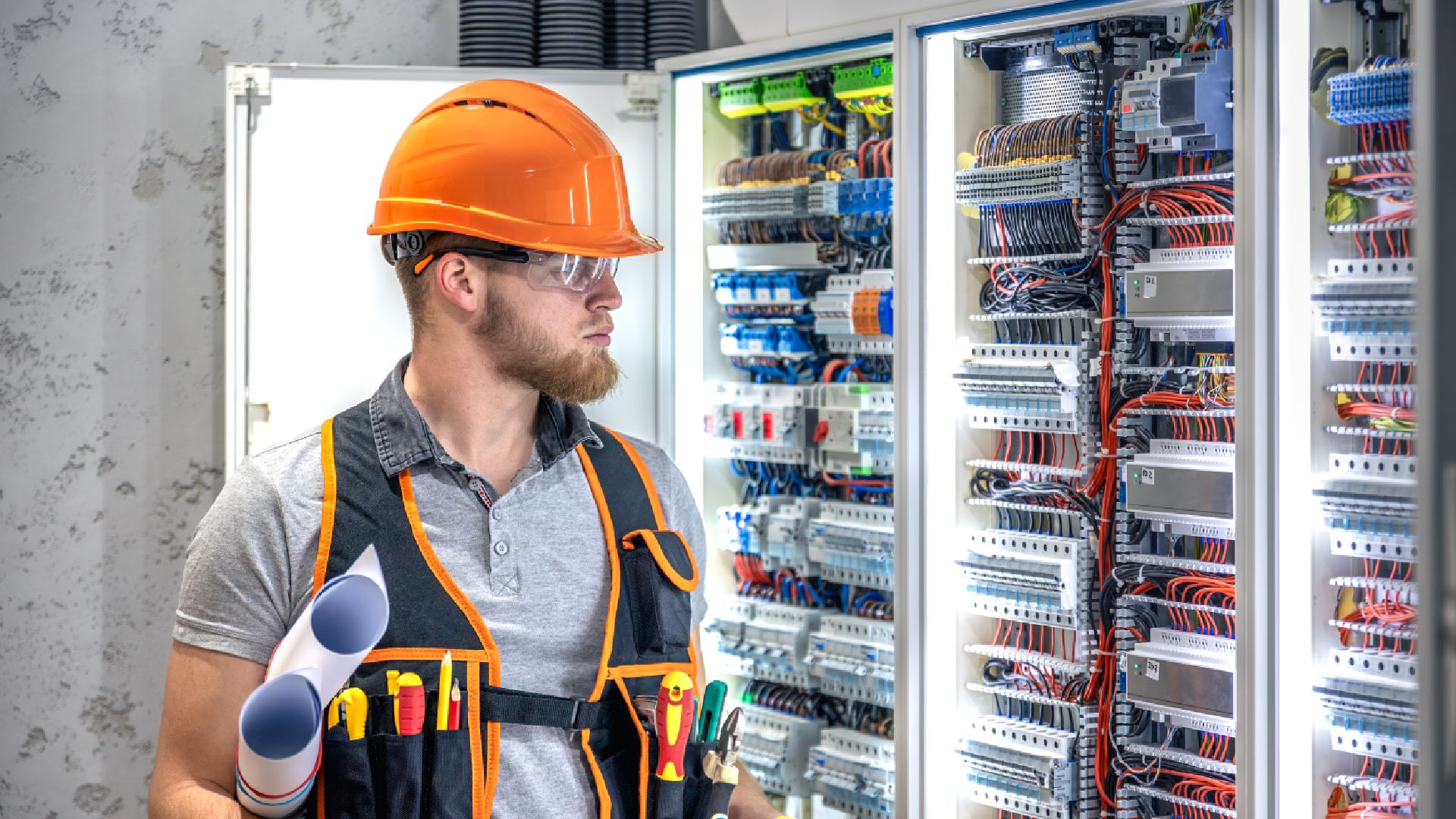
3. Install Ground Fault Circuit Interrupters (GFCIs)
GFCIs cut power quickly when detecting moisture or faults. They are essential for bathrooms, kitchens, garages, and outdoor outlets to protect against electric shocks.
4. Never Ignore Warning Signs
Buzzing sounds, sparks, burning smells, or shocks when touching appliances are signs of electrical trouble. Call a professional electrician immediately to avoid serious hazards.